
Bodegones - Salesianos
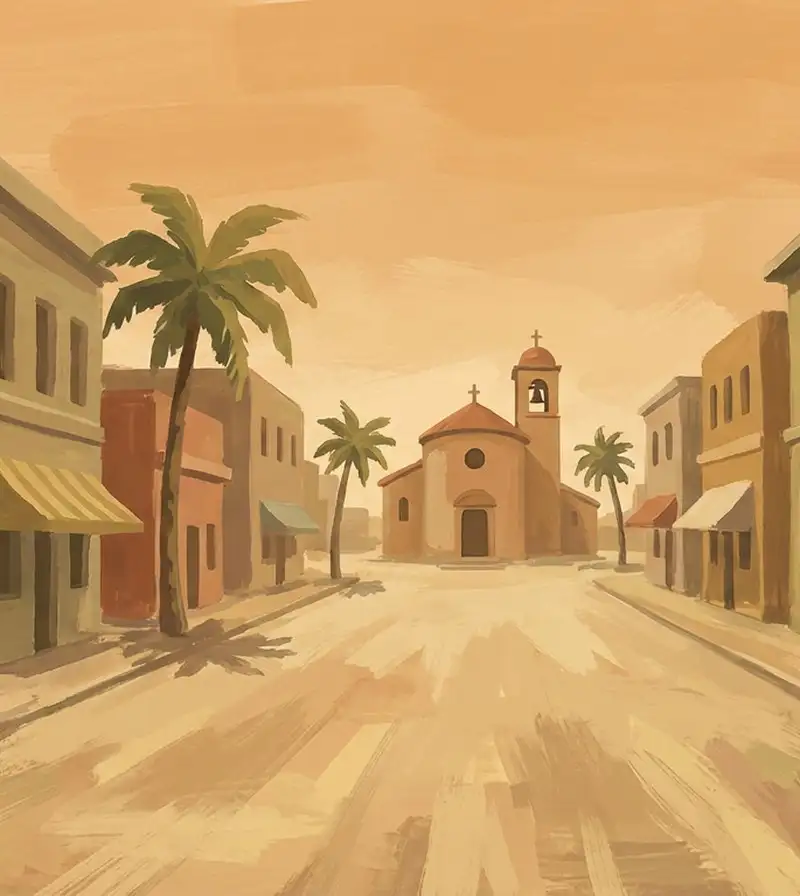
An established residential area east of the centre, quieter than the core and within walking distance of it.
ResidentialQuietWalkable
Stop scrolling through listings. Tell us what you want and let your dream home find you.
Mérida was built to be a capital, first in antiquity and now again. Augustus founded it in 25 BC as Emerita Augusta, capital of the Roman province of Lusitania, and it is now the seat of the regional government of Extremadura. Between those roles lie millennia in which the city never became a museum: the theatre still fills for the summer festival founded in 1933, and the Roman bridge still carries people across the Guadiana.
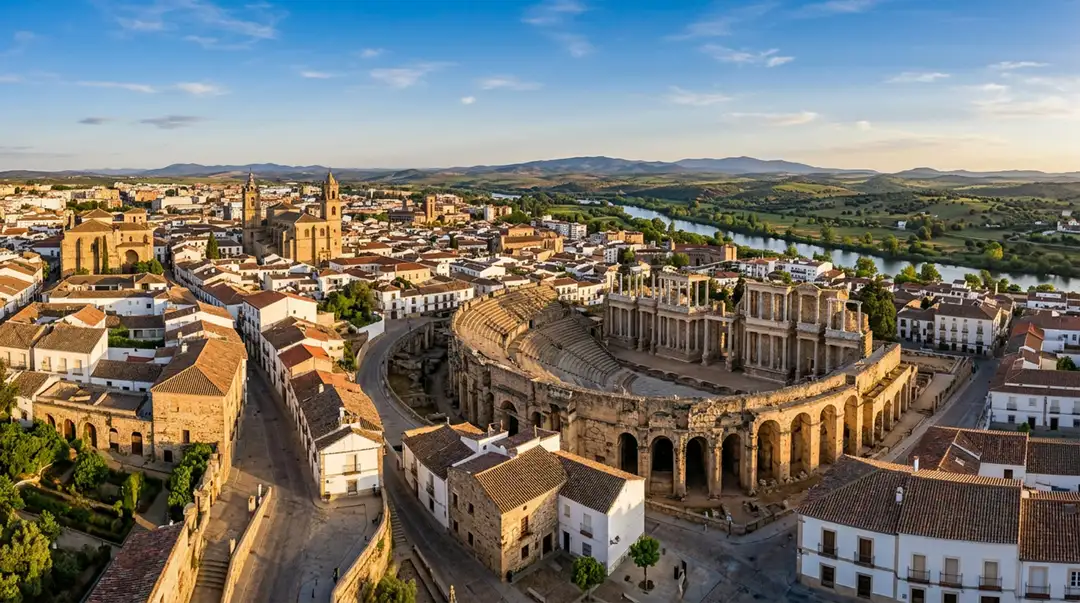
The archaeological ensemble is spread through the living city rather than fenced off at its edge: the theatre and amphitheatre sit side by side a few streets from the centre, with the national museum of Roman art alongside them in Rafael Moneo's brick building; the circus, the aqueduct of Los Milagros, the temple of Diana, the Casa del Mitreo and the Moorish alcazaba above the bridge are scattered across the street plan, and the Guadiana runs through the middle of it all.
What you get is a small regional capital with government jobs, a UNESCO site around the corner and property at prices almost nowhere else in Spain can match. What you accept is Extremadura: an inland summer with little relief, a city of sixty thousand rather than a metropolis, and a market that has never recovered the level it reached before 2008.
The verdict
The upside is real. So is the downside. Both matter more than any brochure will admit.
A Roman city you walk through
The theatre, the amphitheatre, the circus, the aqueduct and the bridge are parts of the street plan, not a site on the outskirts.
The theatre is a working venue
Every summer the classical theatre festival stages productions in a building raised before the Christian era; founded in 1933, it has run annually since 1954.
Capital status without capital prices
The regional government and its institutions are here, in a city where property costs a fraction of many comparable Spanish capitals.
A museum of national rank
Moneo's building holds one of the most important collections of Roman art in Spain, a few steps from the ruins it came from.
The Guadiana runs through it
The river and its banks give the city green space and a setting, with the Roman bridge crossing it into the old town.
Extremadura summers are severe
Inland Spain at its hottest, with no coast and no altitude to soften July and August.
A small city, not a metropolis
Mérida has around sixty thousand residents, so specialist shopping, international schooling and a wide job market mean travelling.
The market never recovered
Asking prices remain 10.6% below the level the city reached in November 2008, which is unusual even for inland Spain.
No high-speed rail
Trains to Madrid run on conventional track for much of the route, and the region's high-speed line does not yet reach the capital.
Tourism is concentrated
Visitors come for the ensemble and the festival, so the centre is busier in summer and quieter the rest of the year.
Editor's note
Mérida suits buyers who want a city with real history and a working administration, at a price that makes the coast look absurd. Cáceres is the other Extremaduran city, with a medieval old town rather than a Roman one, at a slightly higher price. Salamanca and Toledo are the comparisons for a historic centre with better connections to Madrid. Anyone who needs a coast, an airport with range or a large job market should be looking elsewhere entirely.
Mérida and nearby towns
Idealista · Updated 1 Aug 2026
INE Annual Population Census, nationality basis, 1 January 2025
Where to live and what to expect at each price point.
An established residential area east of the centre, quieter than the core and within walking distance of it.
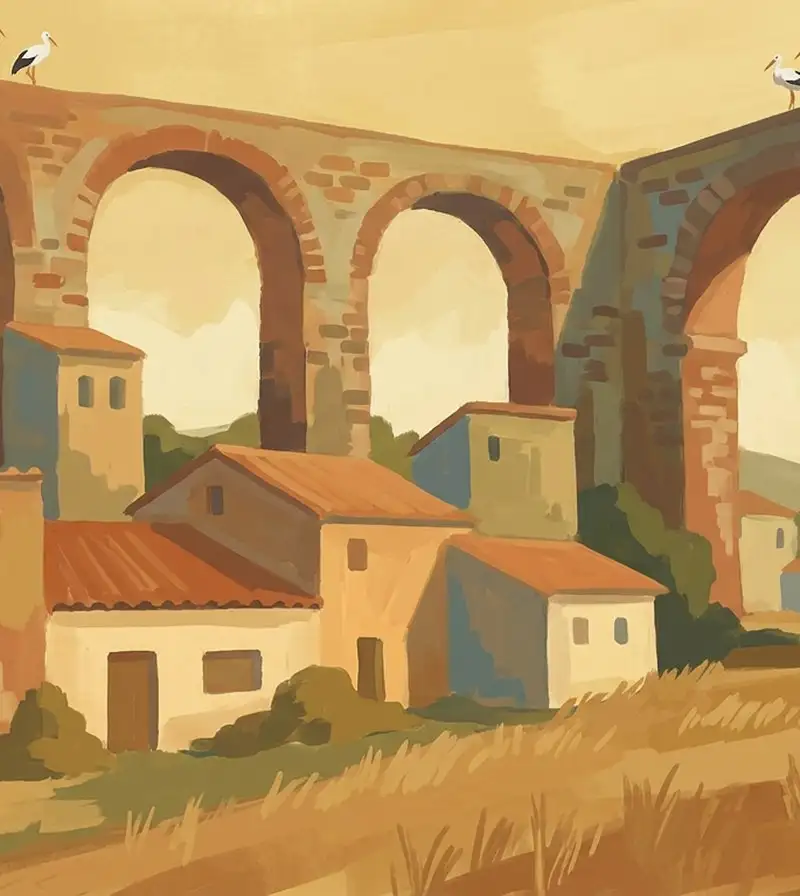
Named for the aqueduct at its edge, these residential areas sit north of the centre with the archaeological park on their doorstep.
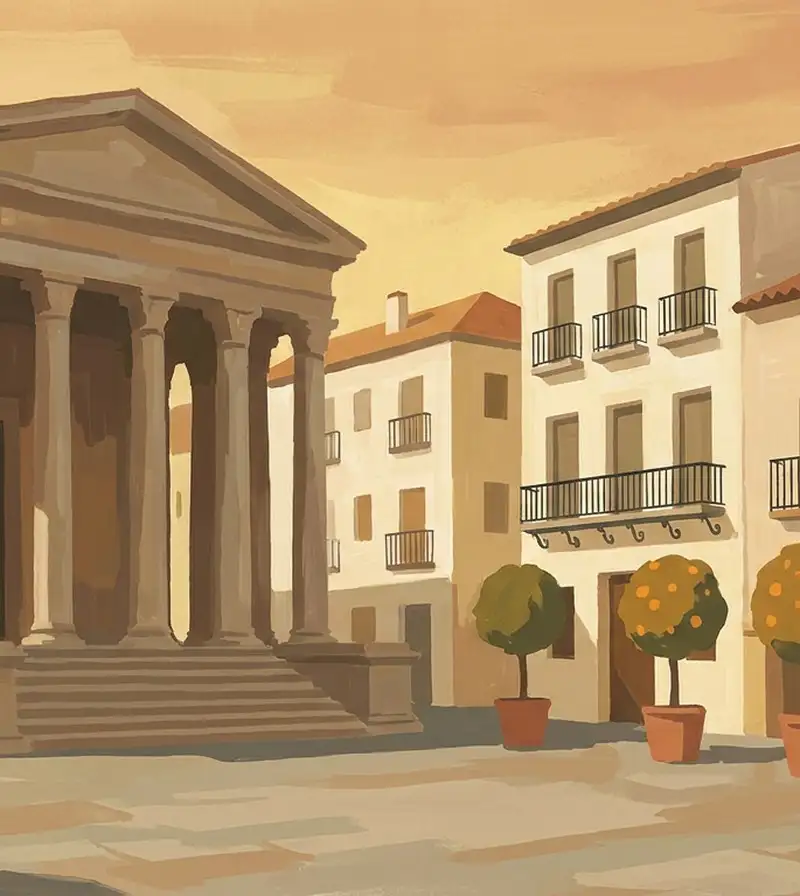
Centro is the historic core around the theatre, the temple of Diana and the main shopping streets; Argentina adjoins it to the south-east.
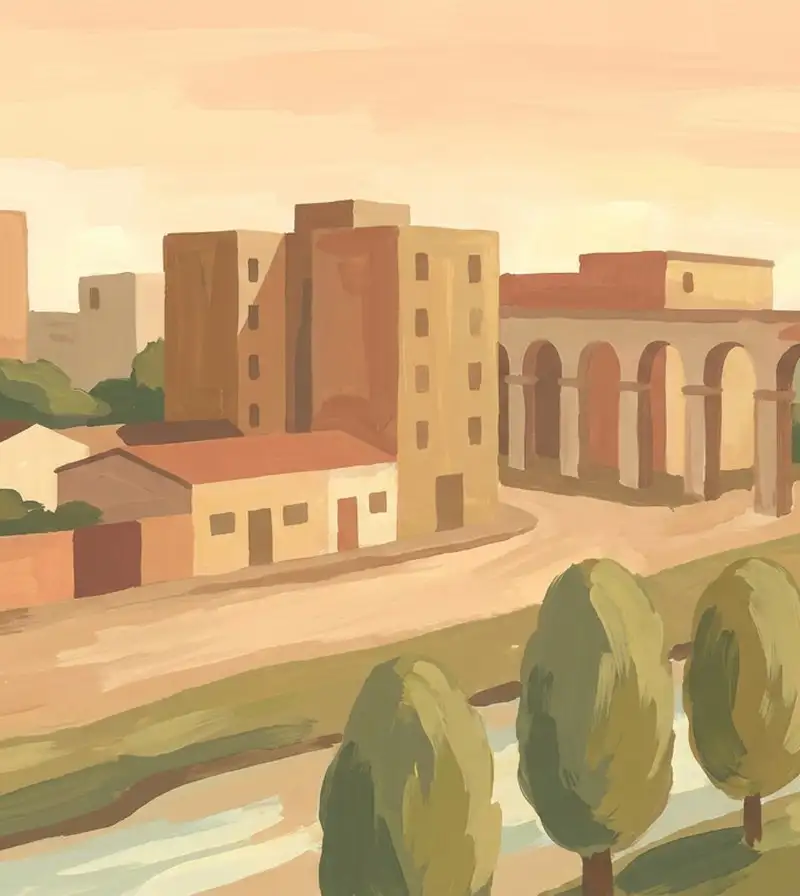
San Luis lies north-east of the centre near Santa Isabel; the Albarregas area sits on the opposite side of the centre beside the stream.
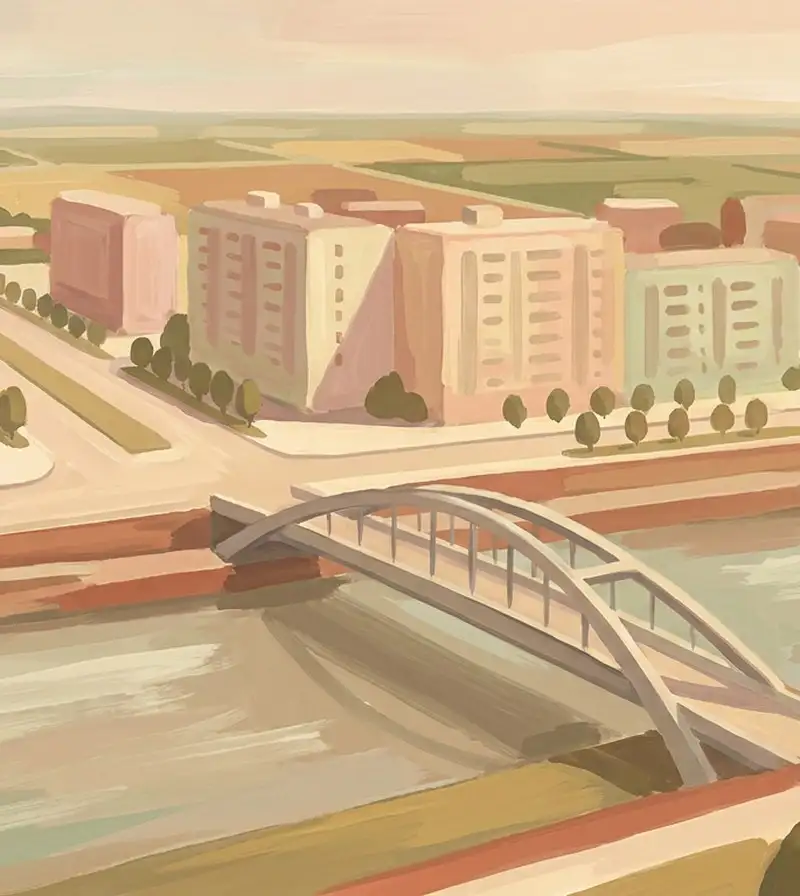
The newer expansion on the far bank of the Guadiana, with later blocks and wider streets across the river from the old town.
A snapshot of homes for sale right now.
Honest answers to the questions buyers actually ask.
Transfer tax rates as of August 2026. Rates are set per autonomous community and do change. Confirm the current figures with a Spanish lawyer or tax adviser before you budget.
The pros and the cons of every town, with sourced data on prices, climate and costs.
Your property search, saved cities, mortgage calculator and a step-by-step buying guide, from your first search to getting the keys.
Local agents who speak your language, and owners selling their own home, contact you about homes that fit your search.
Agents and owners ask to connect first. Your contact details are only shared with the people you accept.
Our comprehensive guide covers everything foreign buyers need to know: from NIE numbers and residency permits to mortgages and legal requirements.
Use our free mortgage calculator to estimate monthly payments, compare loan scenarios and understand the true cost of buying in Spain.